7 Habits for Longer Life Together – Backed by Science
The secret to a longer life is not a myth, nor is it highly dependent on genetics, as is popularly believed. The key to increasing your life span is a cumulation of habits backed by scientific data that improve your overall physical and mental health. Here are the seven habits you and your partner need to adopt to make sure you live a long and healthy life.
Smoking is the leading cause of death, preventable disease, and disabilities in adults in the US. As an active smoker, you are predisposed to multiple types of cancers, including but not limited to cancers of the lungs, liver, colon, cervix, and Acute Myeloid Leukemia (AML), among others. In addition, you are three times more likely to die early than your non-smoking peers.
However, all hope is not lost; quitting the habit is possible—and easier when you do it together. One study revealed that if you quit smoking before age 35, you can enjoy up to an extra 8.5 years added to your life. This means more anniversaries, more adventures, and more time with the person you love.
Couples Tips for Quitting:
- Set a quit date together and celebrate it annually as your "second chance anniversary"
- Replace smoking breaks with short walks together
- Save the money you would have spent on cigarettes for date nights or a dream vacation
- Support each other through cravings with texts, calls, or distractions
- Celebrate milestones together - one week, one month, one year smoke-free
Beyond greatly increasing your life expectancy, quitting smoking will have you experiencing a better quality of life through minor changes, like the return of your sense of smell and taste, and major changes, like reduced financial expenses.

When an occasional drink becomes a necessity, you should know you are at high risk of liver and pancreatic diseases, cardiovascular diseases, and diabetes, just to name a few chronic illnesses. Ultimately, excessive consumption of alcohol reduces your quality of life and life expectancy. If you consume approximately 25 drinks or more in a week, you are reducing your life expectancy by up to five years, according to a 2018 study.
While quitting cold turkey is not recommended, especially without professional medical help, it is possible to reduce your alcohol intake and enjoy numerous health benefits. These benefits include an improved immune system and better sleep patterns.
Five tips for couples to reduce alcohol intake:
- Share your plan together — make it a joint commitment and hold each other accountable lovingly
- Opt for smaller sizes — enjoy your favorite drinks but in smaller glasses, and toast to more sober moments together
- Explore alcohol-free date ideas — morning hikes, museum visits, cooking classes, or game nights
- Set a weekly drinking budget together — once depleted, wait until the next week and discover new non-alcoholic rituals
- Support each other's "no" — back each other up when declining drinks at social events
Adults are recommended to engage in at least 150 minutes of physical activity weekly to slow down the aging of cells. These physical activities can range from moderate to vigorous intensity and include workouts, walks, gardening, swimming, etc. Besides, following and exceeding this recommendation can see you get a 28%-35% smaller risk of premature death.
Some of the major health benefits of regular physical activity include:
- Reduced risk of developing some common cancers such as stomach, kidney, colon, and lung cancers.
- Strengthened bones and muscles help you sustain good mobility as you age and experience a decrease in muscle mass and muscle strength.
- Reduced risk of suffering from cardiovascular diseases and developing type 2 diabetes.
- Improved brain health contributes to reduced depressed moods, reduced risk of dementia, and better sleep quality.
When it comes to exercising regularly, age, size, disabilities, or shape should not hold you back — even as little as 15 minutes of physical activity daily can increase your lifespan by 3 years or more.

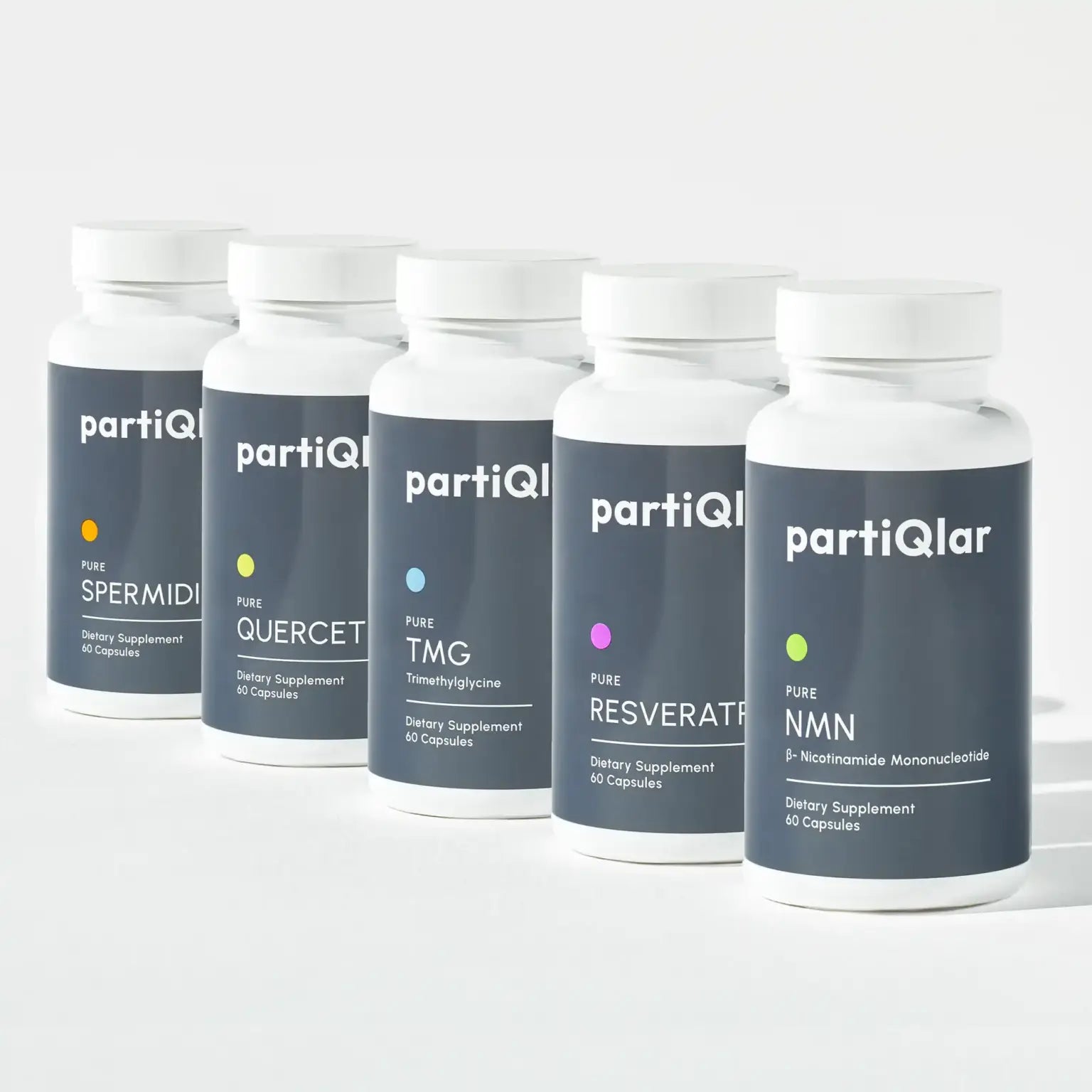
Even with the consumption of many healthy plant foods, you need to boost your body with vitamin, mineral, and protein nutrients from supplements as you grow older to increase your lifespan.
To ensure maximum well-being, you can take:
- Vitamin D and Calcium — for healthier, stronger bones to prevent falls, breaks, and fragility in movement.
- Omega-3 fish oil — to reduce inflammation in the body, prevent arthritis pain and promote brain health.
- Melatonin — to help regulate your sleeping patterns.
- Probiotics — to balance the bacteria in your gut, thus improving gut health and protecting you from stomach cancer.
- Glutathione — to enhance your body’s ability to efficiently get rid of toxins, especially in old age.
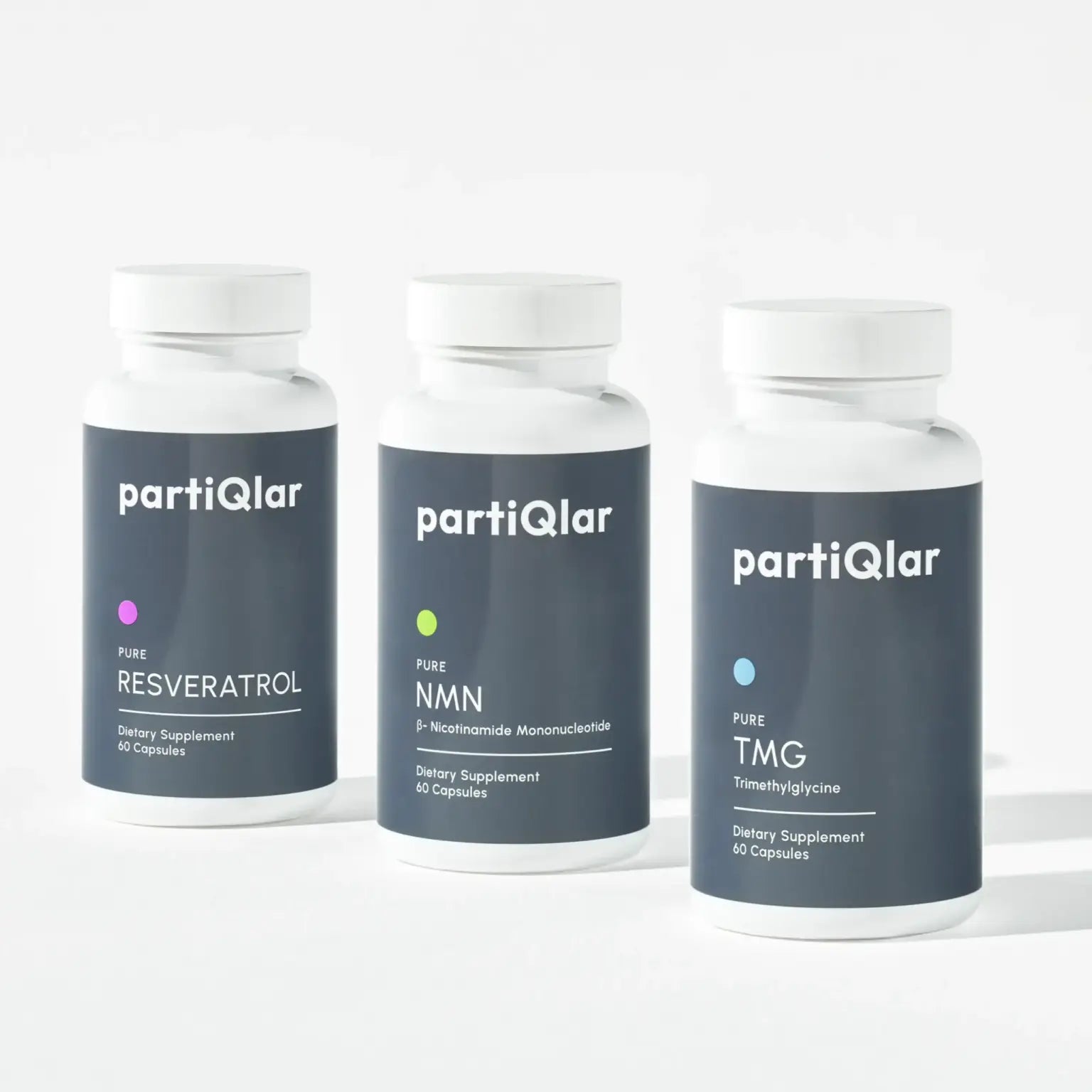
- Nicotinamide mononucleotide (NMN) — to repair age-related DNA damage, support the immune system, improve metabolism, and more.
- Quercetin – to get rid of senescent cells – senescent cells are viewed as a hallmark of aging because they can inhibit the proper function of the surrounding tissue. Removal of these cells can rejuvenate the tissues and, therefore, contribute to longevity.
While you may not have power over death, thanks to science, these seven habits can be your roadmap to a long, healthy life.
Start with just one habit this month. Support each other. Celebrate small victories. And remember: every healthy choice you make together is an investment in your future—a future filled with countless more Valentine's Days to come.
Here's to growing old together—happily, healthily, and hand in hand.